What Is Urban Rustic? A Beginner's Guide to the Fienile di Città Look
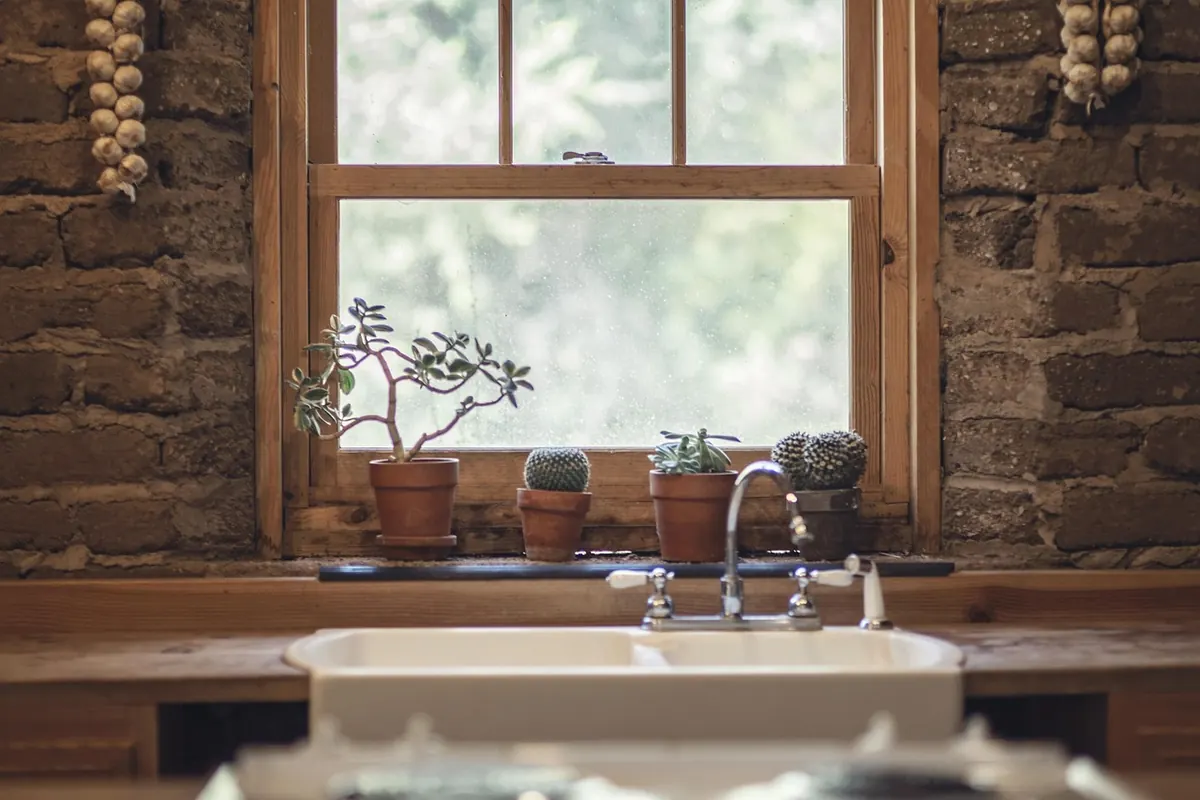
A stone sink under a window that looks onto a courtyard. A linen curtain, an oak shelf, a wall left slightly uneven on purpose. Urban rustic is what happens when the honesty of a barn interior meets the realities of a city flat: the small rooms, the shared walls, the light that arrives from one direction only. It is not a theme. It is a set of decisions about material, colour and restraint, and it holds up remarkably well in rented apartments and narrow terraced houses alike. The name says it plainly enough — a hayloft that happens to sit above a tram line. What follows is how to get that balance right without turning your living room into a stage set.
Rough Edges, Civilised Bones
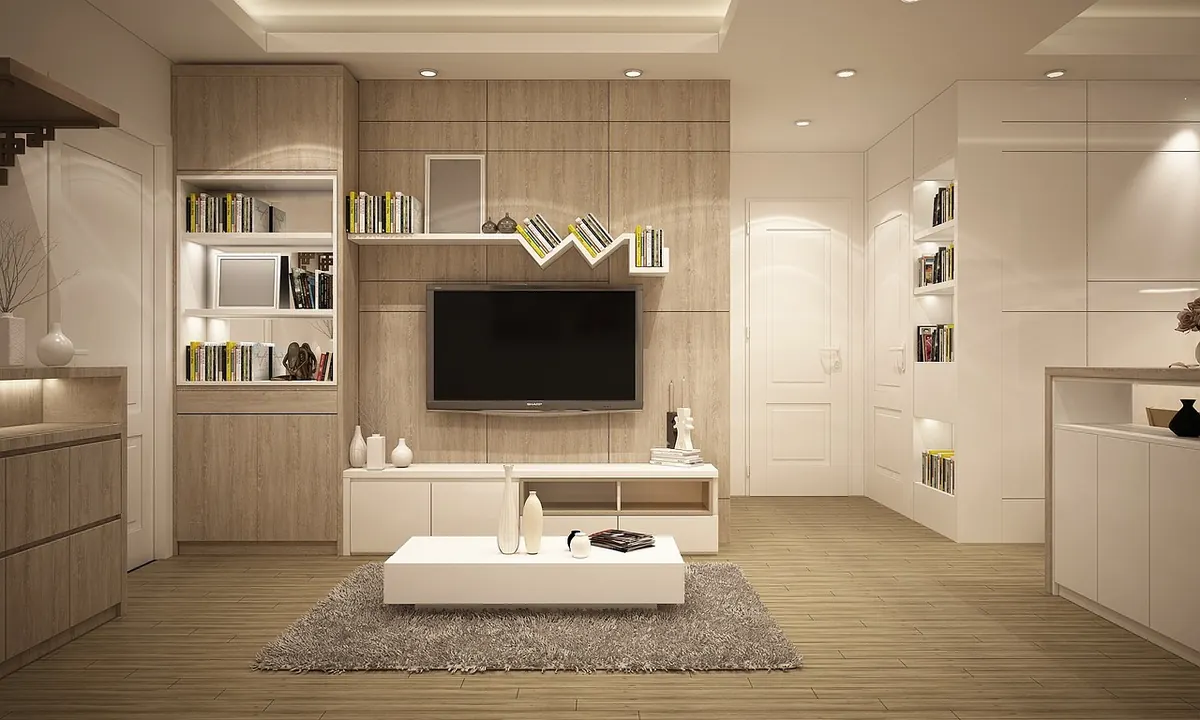
The governing rule is contrast. Rustic supplies the texture; urban supplies the discipline. A rough element only reads as deliberate when it has something calm next to it. Put a chunky reclaimed table in a room with slim modern chairs and plain white walls and it looks like a choice. Put the same table among distressed cabinets, checked cushions and ornamental jugs and it looks like a theme restaurant.
A useful ratio to hold in your head is one rough surface to two smooth ones. Rough on the horizontal plane — floors, worktops, a stone hearth — and calmer on the vertical surfaces, where the eye rests. That single habit will keep a room from tipping into pastiche. If you remember nothing else, remember that rusticity is a seasoning, not the meal.
The Hallmarks of the Look
Before you buy anything, learn to recognise what you are aiming for. An urban rustic room tends to share these qualities:
- Material honesty. Wood looks like wood, stone like stone. If a surface imitates something it isn't, it usually weakens the whole room.
- A little wear. Patina, not damage. Faded rather than frayed; a worn edge rather than a broken one.
- Warm, low-contrast light. Nothing overhead and clinical. Lamps at eye level, dimmable bulbs, a candle or two in winter.
- Asymmetry. Shelves that don't match, chairs that don't pair, a wall that is slightly imperfect and left that way.
- Evidence of hands. A hand-thrown bowl, a hand-stitched linen cushion, a repaired chair. Small signs that a person made the thing.
- Empty space. The confidence to leave a corner alone. Rustic rooms in cities need air more than they need objects.
Notice that none of these require a farmhouse. They are qualities, not props, which is why the look travels well into a third-floor flat.
Materials That Do the Heavy Lifting
Wood
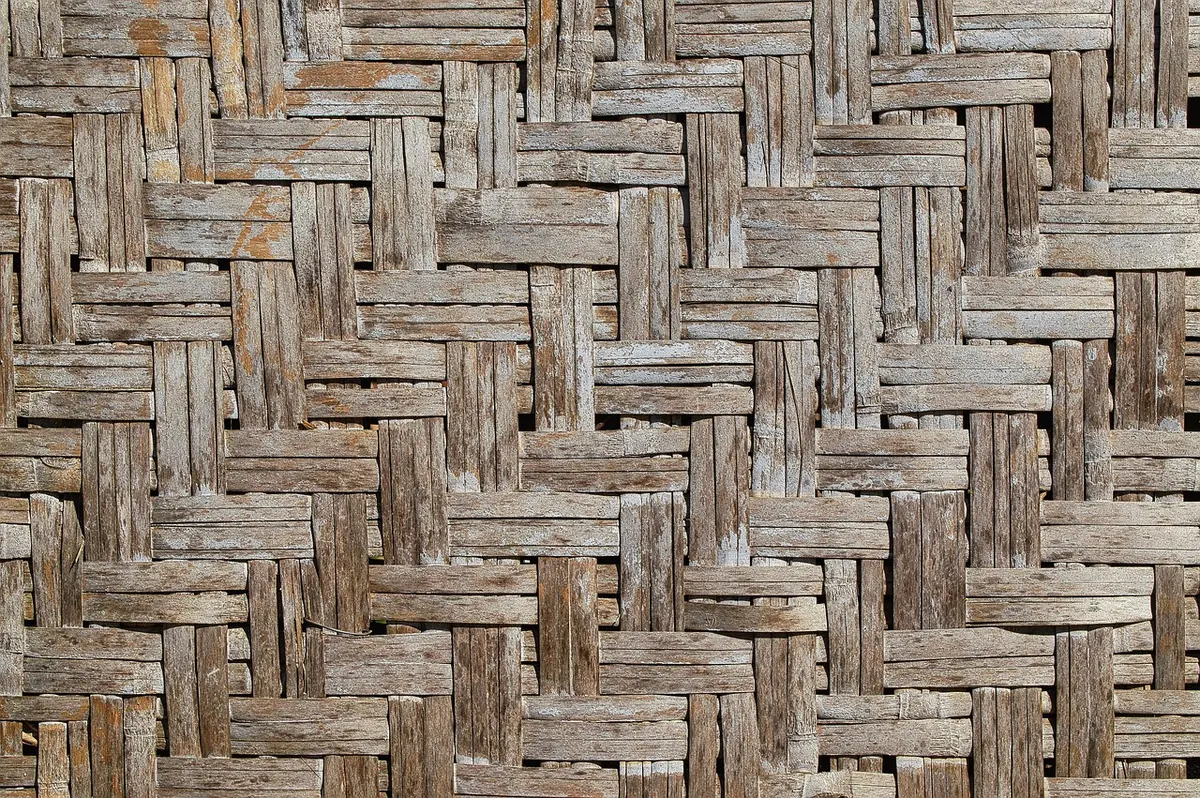
Oak, chestnut, pine, elm — anything with visible grain and a matte finish. Skip the high-gloss varnish and let timber grey or honey naturally. Reclaimed boards make good shelves, worktops and headboards; if you are buying reclaimed structural timber, check it for woodworm and ask how it has been treated. Any change that affects a load-bearing wall or a chimney breast should go to a qualified builder rather than a weekend of optimism.
Plaster, stone and clay
Limewash gives walls a soft, chalky depth that flat emulsion cannot match, and it suits period flats particularly well. Terracotta tiles, soapstone, limestone and unpolished concrete all work on floors and worktops. Keep them sealed where water sits, and expect honest staining — that is part of the appeal.
Metal
Blackened iron, aged brass, brushed steel. Use it sparingly and mostly in the details: handles, shelf brackets, a lamp base, a simple rail. Metal is the element that stops all that wood from feeling soft and sleepy.
Textiles
Linen, wool, cotton, jute, a bit of leather. Layer a heavy throw over a plain upholstered sofa, or a coarsely woven rug over floorboards. Keep patterns large and quiet; small busy prints are where rustic starts to slide towards cottage kitsch.
A Palette That Breathes
Limit yourself to three base colours and one accent, and let the materials supply everything else. The reliable bases are warm off-whites, chalk, bone and pale plaster pink; the grounding tones are clay, mushroom, olive, stone grey and charcoal. Accents of ochre, rust or faded indigo work in small doses — a cushion, a bowl, the spine of a book.
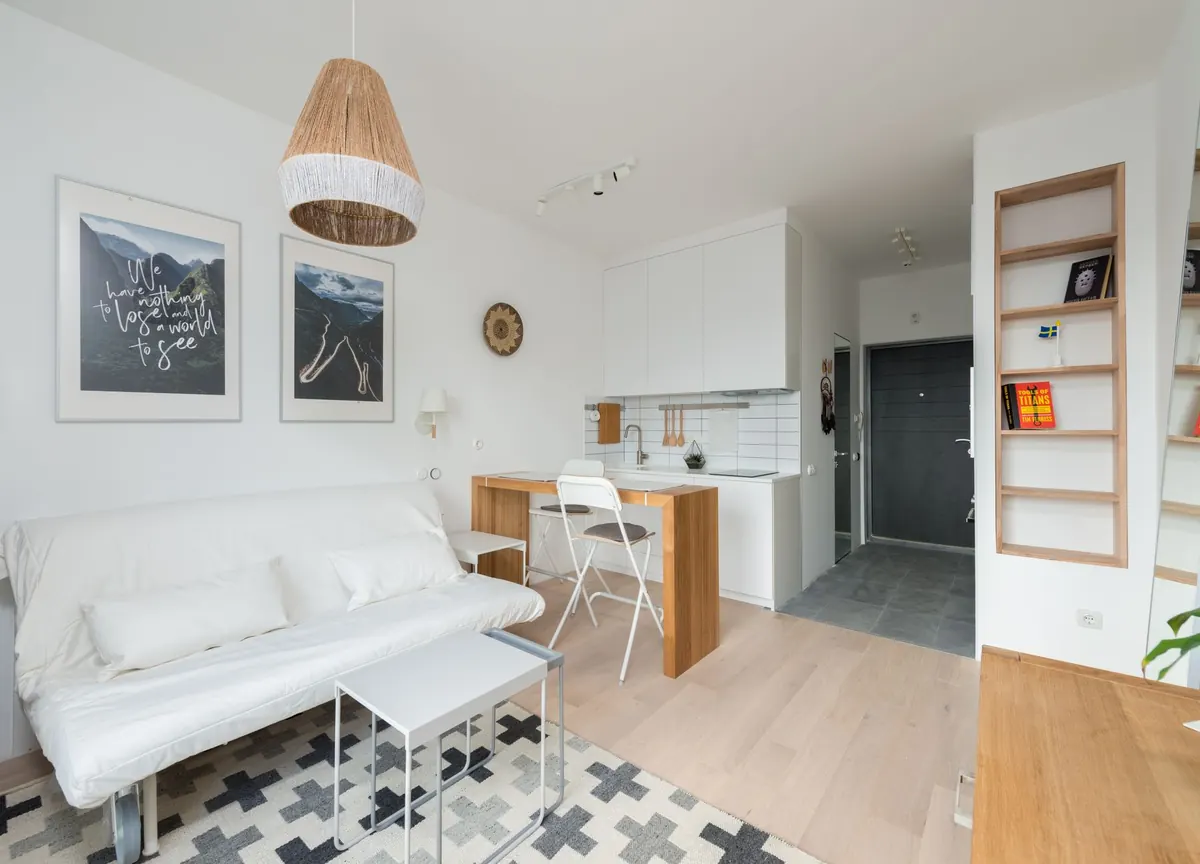
Small city rooms usually want lighter walls and darker floors, which makes the ceiling feel higher. If you crave a dark room, paint a single wall or an alcove rather than the whole space. Always test paint on the actual wall: brush a patch about a metre square, live with it for a week, and look at it at seven in the morning and again at nine at night. Warm colours change dramatically under artificial light.
Styling Rules That Keep It City-Appropriate
- Choose one hero per room. A single large object — a table, a dresser, a stone basin — and let everything else be quieter.
- Mix eras deliberately. Old wood against a modern lamp; a vintage cabinet under a clean-lined shelf. The mix is what reads as urban.
- Group in odd numbers. Three bowls, five hooks, one big pot. Even numbers look arranged; odd numbers look lived in.
- Hang light low. A pendant over a table, a lamp on a sideboard. Overhead lighting alone flattens texture and makes any room feel like an office.
- Leave one thing unfinished. A bare wall, an empty shelf, a rug that doesn't reach the skirting. Perfection is the enemy here.
What to Leave Out
Fake beams glued to a ceiling, signs painted with words like kitchen, ceramic roosters, everything distressed at once, matching sets of anything, and the assumption that dark equals cosy. In a small flat, heavy brown furniture in every corner will simply make the room feel smaller and older than it is.
Also resist the urge to explain the look. The moment you add a stencil, a themed tea towel or a printed slogan, the room stops being rustic and starts performing it. Restraint is the difference between a space that feels inherited and one that feels bought in a single afternoon.
A Starter Plan for a City Flat
- Clear one room almost completely and note where the natural light falls.
- Fix the walls and floor first: a warm off-white, a limewash, or a coat of soft clay paint, plus a rug or boards you are happy to see.
- Bring in one piece of real wood with visible grain, sized properly for the room.
- Add two or three objects with texture — a linen cushion, a stoneware bowl, an iron hook — and stop.
- Replace the brightest bulb with a warmer, dimmable one and put a lamp where you actually sit.
- Live with it for a fortnight before buying anything else.
That last step matters most. Urban rustic is built slowly, out of things that earn their place, and a room assembled in one shopping trip rarely convinces anyone. Start with materials, keep the palette narrow, and let the wear arrive on its own.
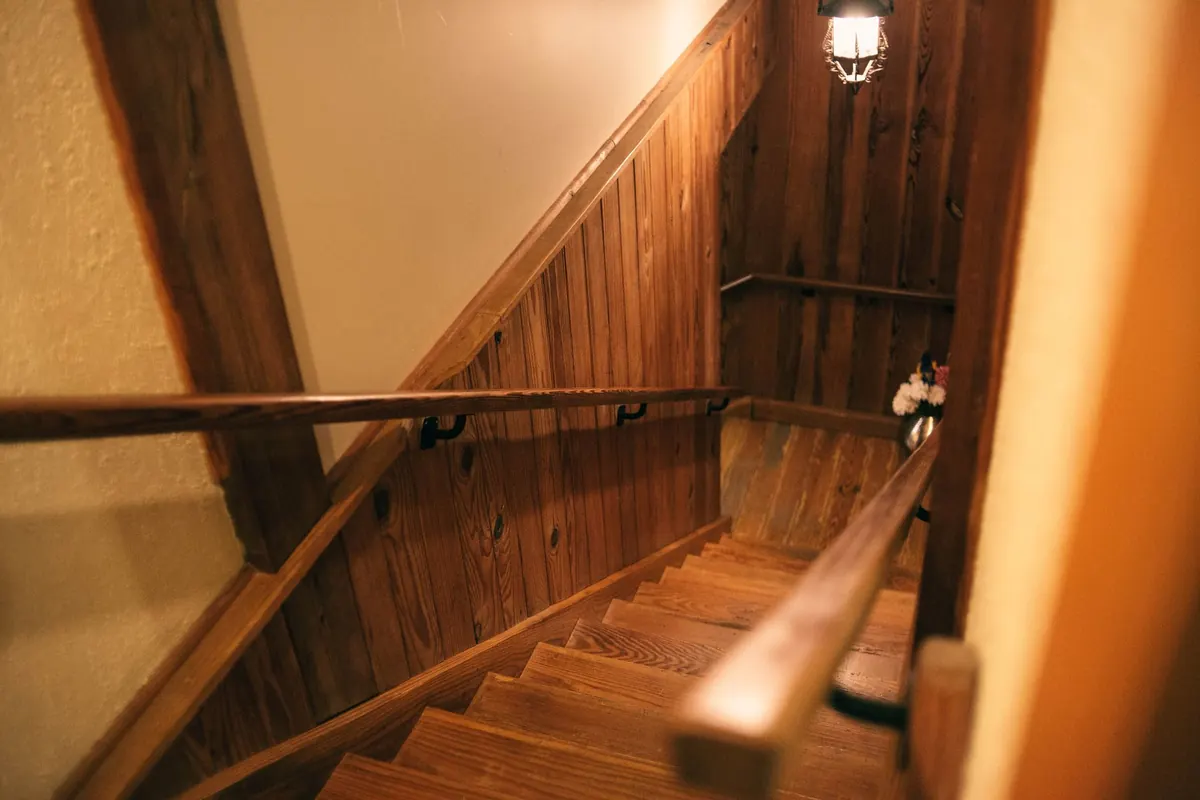
Photo: Erik Mclean / Pexels